Small Pet Cremation in Grand Est
Rabbits, guinea pigs, ferrets, chinchillas and hedgehogs all need gentle, careful handling at the end. Here's how that works in and around Grand Est.
- Keepsakes planned before cremation
- Drop-off or home collection
- Ashes sized for a small urn

Grand Est, France
Small Pet Cremation in Grand Est: what to know
Pet rabbits, cavies, ferrets and chinchillas live all over Grand Est, from city apartments to farmhouses, and the options when one dies are broadly the same everywhere. What changes from place to place is how easy each option is. This page lists 2 local guides, each with weather, likely costs and practical notes, so you can see what applies where you live.
Across Grand Est, the most useful single thing a small-pet owner can do is ask their vet two questions before they're needed: which crematorium do you use, and can you arrange a private cremation for a rabbit or guinea pig? Knowing the answers takes away most of the scramble on the day. Our city guides, starting with Strasbourg and Reims, cover the rest.
We cover 2 communities in Grand Est, from Strasbourg and Reims.
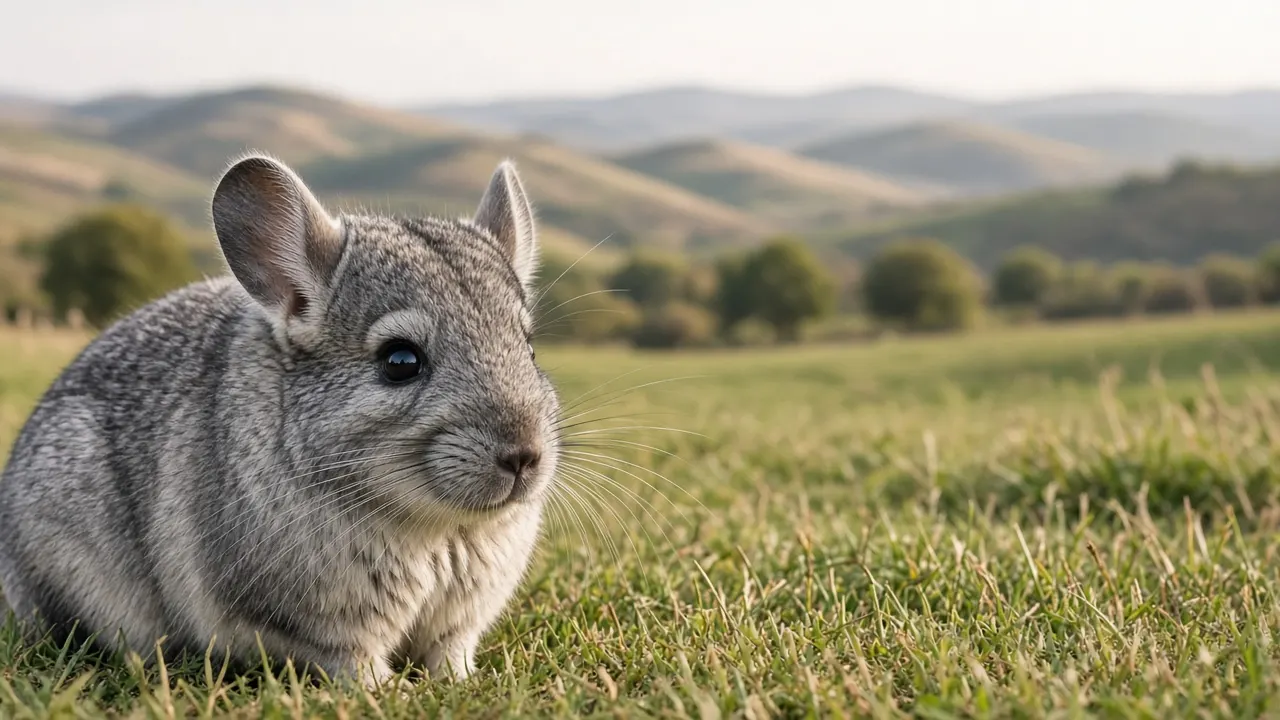

Every Grand Est community we cover
Choose your city or town for local prices, weather and timing, and rules. 2 communities in Grand Est, largest first below.
Why the Grand Est cremation rate matters here
Only about 44.91%[1] of people in Grand Est are cremated, so burial remains the local tradition, and for a small pet that usually means the garden. It's an easy, gentle choice for a rabbit or guinea pig that died naturally. Cremation is still available through most vets, and it's the better option if your pet was put to sleep, if you rent, or if the ground is too hard or wet to dig properly.
ICI (France Bleu), citing the Fédération française de crémation (2023) publishes the Grand Est rate we quote. Read it as the local custom around cremation rather than as pet data.
What rabbit and guinea pig cremation costs in Grand Est
In much of Europe, home burial of a small pet on your own land is allowed with conditions, which keeps costs low for many families in Grand Est. Germany, for example, requires at least 50 cm of soil cover[2]. If you'd rather cremate, the table shows published prices from several countries; small mammals usually fall in the lightest band, and collective cremation costs a fraction of individual.
Europe has about 24.7 million[3] pet small mammals, so crematoria across France will handle a rabbit or guinea pig without surprise. In Grand Est, your vet is usually the first contact and will arrange collection by a pet crematorium, but you can also go direct. Ask for individual and collective prices for your pet's weight, and whether the smallest animals are cremated on their own tray.
| Country | Collective (communal) | Individual (ashes returned) |
|---|---|---|
| Ireland (under 2 kg) | Not listed | From EUR 150 |
| Germany (all sizes) | EUR 85 to 205 | EUR 165 to 375 |
| Norway (1 to 20 kg) | From NOK 1,190 | NOK 3,790 |
| Source | Provider lists and consumer guides compiled in our research | Small mammals sit at the lower end |

Free tool
Cremation cost calculator
Estimate a realistic price range for your pet's size, location and the type of cremation.
Burial and scattering rules in Grand Est
Pet cremation is lightly regulated almost everywhere. A UK trade body has described it as an unregulated market[5], and one directory counts only a handful of US states with laws aimed specifically at pet crematories[6]. Whatever applies in Grand Est, your best protection with a small pet is a written note from the provider saying whether the cremation is individual, partitioned or communal, and when the ashes will be returned.
In France, your vet will usually offer incinération collective or individuelle for a rabbit (lapin) or guinea pig (cochon d'Inde); only individual cremation returns ashes. Animals under 40 kg may generally be buried on your own land, away from homes and water points; ask your mairie if you're unsure what applies locally.
The first day, step by step
- Put on gloves before you handle a rabbit that died suddenly or bled from the nose or mouth. RHDV2 spreads on hands, clothes and bedding.
- Place your rabbit in a sealed bag inside a lidded box, and keep the other rabbits away from the body and the hutch.
- Phone your vet before burying or disposing of anything. US federal guidance says to speak with a vet or an animal health official before you act.
- Bag the hay, bedding and litter, then set the bags aside somewhere separate until the vet has told you how to get rid of them.
- Scrub the enclosure, dishes and water bottle with a disinfectant your vet recommends, then let everything dry fully.
- Ask about testing and vaccination for the rabbits that remain. Until you have answers, cremating the body is generally the safer option.
Small keepsakes for a small life
Small mammals have big personalities, and the details fade faster than people expect. Write them down while they're fresh: the way your rabbit binkied at dinnertime, the wheek your guinea pigs gave when the fridge opened, where your ferret hid your socks. A page of notes, kept with photos and the ashes, becomes one of the most treasured things a family owns.
From here: services and prices, the free tools, what readers voted in the polls, or the map of every location.

Reader polls
What would you choose?
Vote anonymously and see how other readers answered. The results are live counts from people who visit this site, so they show real opinions, not a scientific sample.
If your pet had a bonded partner, did the survivor get time with their body?
Tap an answer to vote and see how others answered. Anonymous.
Was this (or will it be) your child's first experience of a pet dying?
Tap an answer to vote and see how others answered. Anonymous.
If you had to decide today, which aftercare would you choose for your pet?
Tap an answer to vote and see how others answered. Anonymous.

Free tools to help you plan
Cremation cost calculator
Estimate a realistic price range for your pet's size, location and the type of cremation.
Ashes weight estimator
See roughly how much ash to expect back, by species and body weight.

Aftercare options compared
Compare private, communal and water cremation with burial on cost, timing and what comes home.
Questions people ask
Do I need to tell anyone if my rabbit died of a disease?
Usually not for common illnesses, but your vet may want to know about suspected rabbit hemorrhagic disease so they can warn other owners locally. Ask them before you bury or dispose of the body. Disinfect the hutch, bowls and bottles, and throw away the hay and bedding the rabbit used.
How dangerous is summer heat for rabbits in Grand Est?
More than most owners expect. Rabbits and chinchillas overheat far more easily than dogs or cats, and heatstroke is a common cause of sudden summer deaths. In the warmest parts of Grand Est, such as Grand Est where summer highs average about °F, keep small pets in the coolest room during hot spells, and if one dies, keep the body chilled until collection.
Is cremation common for small pets in Grand Est?
For people, cremation accounts for 44.91%[1] of deaths in Grand Est, and pet aftercare loosely follows local habits. For small mammals, garden burial is still very common because a rabbit or guinea pig is so easy to bury. Private cremation is chosen most by renters, apartment dwellers and families who'd like to keep the ashes.
Where can I scatter small pet ashes in Grand Est?
Private land with the owner's permission is simplest. Public parks and beaches usually have rules, and some require permission. With only a few tablespoons of ash from a rabbit or guinea pig, many families prefer to bury a small tin in the garden or a planter instead, which is easier to keep and to visit.
Should children be involved in a small pet's goodbye?
Usually, yes, in a way that fits their age. Children who help line the box, choose a toy to go with their pet or pick the spot in the garden tend to cope better than those shielded from it. A small pet's death is often a child's first loss, so honest words and a simple ritual matter more than the details of the aftercare.
How many Grand Est communities do you cover?
We have small pet aftercare guides for 2 communities in Grand Est, including Strasbourg and Reims. Each covers local weather, typical prices, burial rules and how drop-off or collection usually works there.

Sources and our estimates
- [1] In 2023, 44.91% of deaths in France led to cremation. ICI (France Bleu), citing the Fédération française de crémation, 2023.
- [2] German home burial of pets requires at least 50 cm of soil cover and is not permitted in water- or nature-protection areas. deine-tierwelt.de - Tierbestattung: Diese Moeglichkeiten gibt es und das kosten sie (Nov 2023), 2023.
- [3] Europe has about 24.7 million pet small mammals such as rabbits, guinea pigs and hamsters. FEDIAF European Pet Food, Facts & Figures 2025 (2023 data), 2023.
- [4] A median-weight adult pet rabbit (2.1 kg) would be expected to return about 74 g (2.6 oz) of cremated remains. Our estimate: 2,100 g x 3.5%. How we calculate.
- [5] The APPCC told the CMA that pet cremation in the UK is an unregulated market, with APHA inspections concerned only with basic incineration. Association of Private Pet Cemeteries and Crematoria (APPCC) - response to CMA consultation on market investigation reference (2024), 2024.
- [6] Nine US states have pet-crematory-specific licensing or consumer statutes: California, New York, Texas, Arizona, Virginia, Georgia, North Carolina, Maryland and Illinois. FindPetCremations - Pet Cremation Laws & Regulations by State (2026), 2026.
Get small pet cremation options in Grand Est
Tell us what you need and where you are. We'll reply by email with clear options and prices so you can decide in your own time.