Losing a rabbit, guinea pig or ferret? Start with one decision
Pet rabbits in England die at a median age of just 4.3 years[1], often sooner than families expect. This quiz helps you pick the first thing to think about.
- Made for bonded pairs and tiny bodies
- Private: answers stay in your browser
- Finish with one question to ask your vet
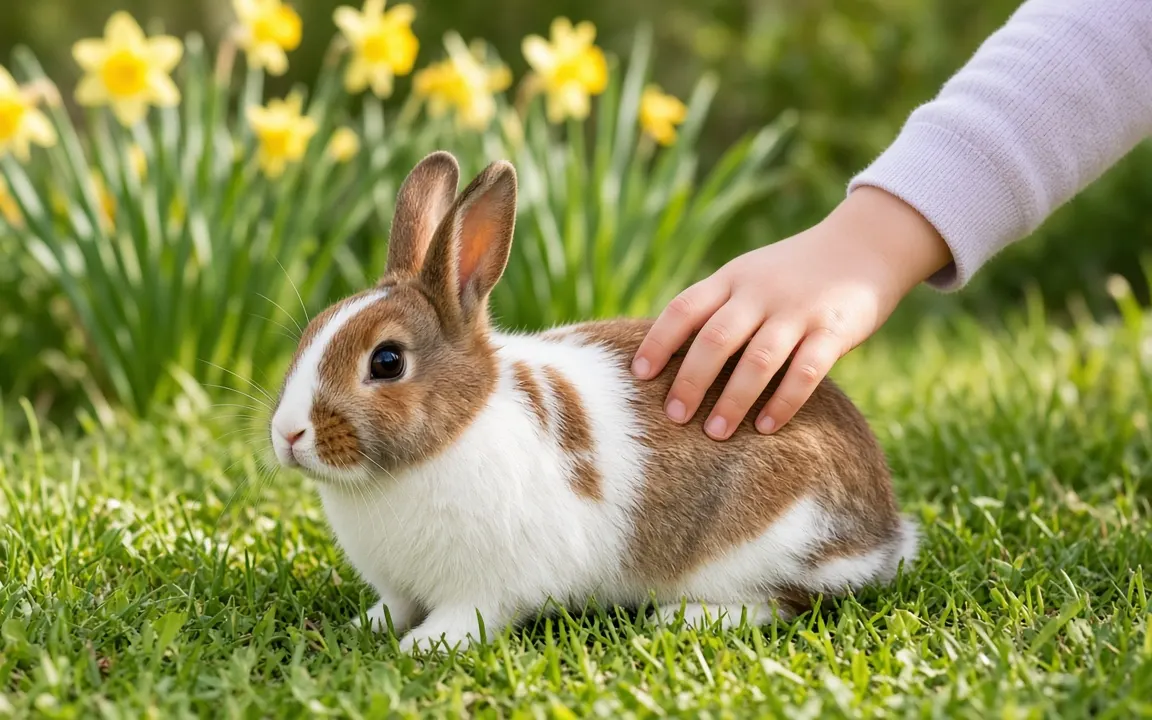
Small Mammal Cremation Services · planning preferences
Small Mammal cremation: choose your next question
Use Small Mammal Cremation Services to choose your next small mammal cremation question, wherever you are worldwide. Select one guide topic, one detail to clarify and your current planning stage. The result repeats your choices and links to that guide. It does not estimate a price or confirm an arrangement.
Your choices stay in this page’s memory. They are shared only if you choose to send an email draft. Clear them below or reload to start again.
Prefer to ask our team directly?Question 1 of 3
Which decision would you like to explore first?
Small Mammal Cremation Services organizes this worldwide small mammal cremation selector around four guide topics. Choose the question closest to what you want to understand first. The next two choices identify one detail and your planning stage. You can change the topic later; selecting it does not submit an inquiry or authorize any arrangement.
How it works
What the small-pet quiz above covers
Rabbits, guinea pigs and ferrets bring their own set of worries. Many live in pairs, many hide illness until late, and their bodies are small enough that cremation raises real questions about what comes back. The quiz starts with four topics built around those concerns: caring for a bonded survivor, urn sizing for rabbits and guinea pigs, watching survivors for gut stasis, and planning a goodbye at home.
Next it asks which detail you want to clarify: the exact species, your pet's name and weight, how they'll be identified, whether you want ashes back, a fur or paw impression, and what to ask the vet about a surviving companion. Finally it asks where you are, from just reading to checking a written quote.
Your answers aren't stored or sent. The result links to a guide, to the small-pet planning worksheet and to text you can copy for your notes.
After you finish
How to act on your result, gently
Most results end with something small and doable. If your detail was species, make sure any provider hears "Netherland Dwarf rabbit" or "Abyssinian guinea pig", not just "small pet", so they plan the right handling. If it was identification, and two animals are involved, give each a name label now.
Copy the result and share it with the family, especially if children are involved. A clear plan helps adults explain what will happen next, and our article on talking with children about losing a small pet has wording that works for different ages.
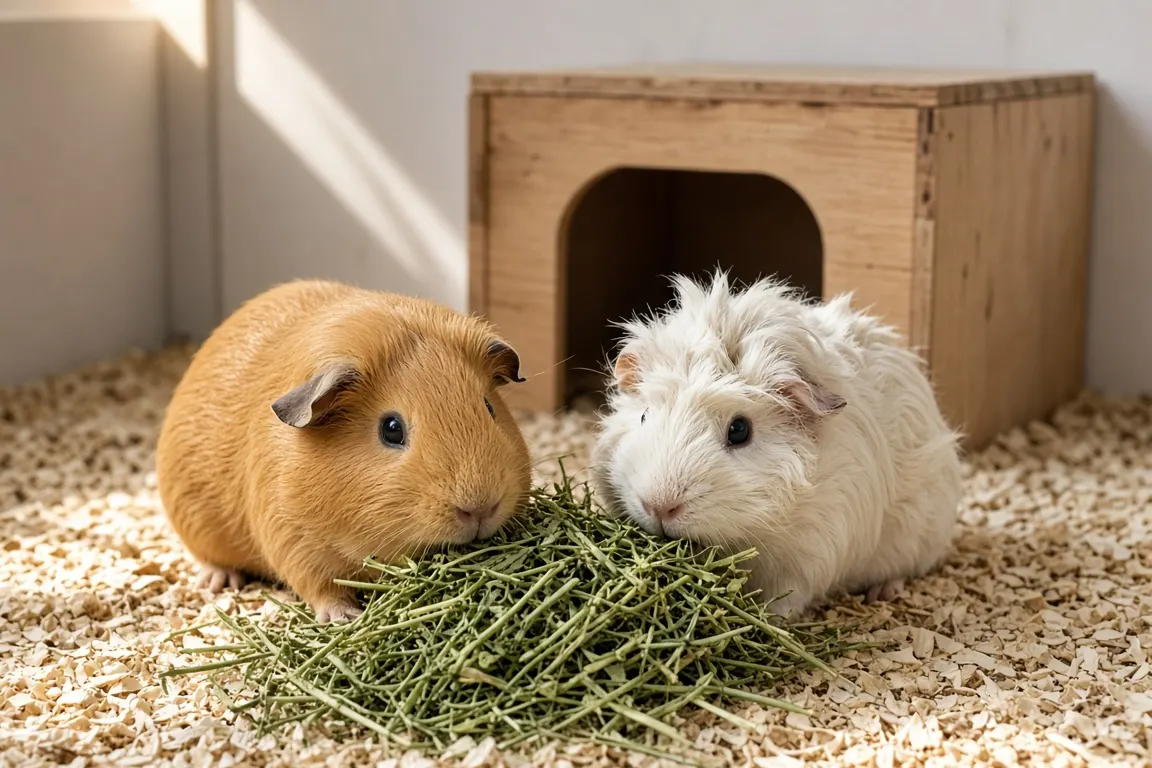
The topic most families choose
What to do for the bonded partner left behind
Many owners let the surviving rabbit or guinea pig spend a little time with their partner's body. The idea is that the survivor understands their companion is gone and searches less. It's a common practice, although there's little formal research, so treat it as an option rather than a rule. Our article on whether a bonded rabbit needs to see the body goes into it.
The physical risk is real, though. A grieving rabbit may stop eating, and in rabbits that can quickly lead to gut stasis, where the digestive system slows or stops. Watch closely for a few days and call your vet if droppings shrink or stop. The GI stasis watch guide explains the signs.
If your pet had a bonded partner, did the survivor get time with their body?
Tap an answer to vote and see how others answered. Anonymous.
Tiny bodies
How much comes back after cremating a small pet
By our estimate, a median-weight adult rabbit returns about 74 g[2] of ash, and a guinea pig about 37 g[3]. That's enough for a small urn or a keepsake, but not for several. If urn size is your quiz topic, the urn selection guide and the calculator below will help you pick something that fits. If several family members would each like a share, be realistic: a guinea pig's ashes will fill one small urn or a couple of pendants, not both. Some families choose one keepsake urn and give each child a paw print or a photo instead, which often means just as much and avoids dividing something so small.

Free tool
Urn size calculator
Find the urn volume you need from your pet's weight, plus keepsake and sharing options.
A rabbit-specific caution
When a rabbit dies suddenly: check before burial
Rabbit hemorrhagic disease (RHDV2) kills 50-100%[4] of infected rabbits and has been found in US pet rabbits. Because of that, the USDA advises owners to consult a vet or animal health official before disposing of a rabbit that died unexpectedly. If your rabbit died suddenly, especially with no obvious cause, call your vet before burying it in the garden.
Ferrets have different concerns, and they live a little longer: about 6-10 years[5], according to the Merck Veterinary Manual. If your ferret is a senior, the quiz's home-goodbye topic is a good place to start; see our at-home goodbye guide.
Next
After the quiz: reading, recording or asking
Retake the quiz for a different topic whenever you're ready. To see what other small-pet families have said, visit our poll results. And when you'd like prices, send us your pet's details and we'll reply by email.
A short life is still a whole life, and it deserves a careful goodbye.

Reader polls
What would you choose?
Vote anonymously and see how other readers answered. The results are live counts from people who visit this site, so they show real opinions, not a scientific sample.
For a pet this small, which goodbye feels right to you?
Tap an answer to vote and see how others answered. Anonymous.
If you had to decide today, which aftercare would you choose for your pet?
Tap an answer to vote and see how others answered. Anonymous.
What helped you most in the first weeks?
Tap an answer to vote and see how others answered. Anonymous.

Free tools to help you plan
Urn size calculator
Find the urn volume you need from your pet's weight, plus keepsake and sharing options.

Aftercare options compared
Compare private, communal and water cremation with burial on cost, timing and what comes home.
Ashes weight estimator
See roughly how much ash to expect back, by species and body weight.
Questions people ask
Does the quiz work for hamsters, rats and other small pets?
Yes, the questions apply to any small mammal, though the guides focus on rabbits, guinea pigs and ferrets. For very small animals such as hamsters, the ash question is even more important, because very little may be recoverable. Ask any provider what they typically return.
Should my other rabbit see the one who died?
Many owners find it helps the survivor settle, and it's widely recommended by rabbit groups, although research is limited. Give them a quiet half hour together if you can. Then watch the survivor's eating and droppings closely for several days.
Can two bonded rabbits be cremated together?
Some providers will, if you ask, but their ashes then can't be separated. If you want each rabbit's own ashes, request two individual cremations with separate identification. You can still place both in one urn afterwards.
Is my quiz result sent to anyone?
No. Answers stay in this browser tab and clear when you reload. You can copy the result or open an email draft, but nothing is sent until you press send in your own email app.
Is it safe to bury a rabbit in the garden?
Often, if local rules allow, but check with your vet first if the death was sudden. Rabbit hemorrhagic disease spreads through carcasses and survives a long time in the environment, and the USDA advises consulting a vet before disposal in unexplained cases.
How long can I keep my rabbit's body at home while I decide?
A few hours at room temperature is usually fine, and longer somewhere cool. Wrap your rabbit in a towel, place them in a box and keep them out of sun and away from heat. If a necropsy is possible, refrigerate rather than freeze, and ask your vet how long they recommend.


Sources and our estimates
- [1] Pet rabbits in England have a median age at death of 4.3 years. O'Neill et al. 2020, Veterinary Record - VetCompass rabbits, 2020.
- [2] A median-weight adult pet rabbit (2.1 kg) would be expected to return about 74 g (2.6 oz) of cremated remains. Our estimate: 2,100 g x 3.5%. How we calculate.
- [3] A median-weight pet guinea pig (1.05 kg) would be expected to return about 37 g (1.3 oz) of cremated remains. Our estimate: 1,050 g x 3.5%. How we calculate.
- [4] Rabbit hemorrhagic disease (RHDV2) kills 50-100% of infected rabbits; the first U.S. detection was in a pet rabbit in Ohio in 2018. USDA APHIS - Rabbit Hemorrhagic Disease, 2018.
- [5] Ferrets live about 6-10 years; males average about 4 lb (2 kg) and females 2.5 lb (1.2 kg). Merck Veterinary Manual - Table: Ferrets at a Glance.
Ask us about your small pet instead
Tell us what you need and where you are. We'll reply by email with clear options and prices so you can decide in your own time.