Guides for the hardest parts of losing a small pet
Rabbits and guinea pigs in the UK live a median of just over four years, so many owners face these decisions sooner than they expected. These guides cover the questions that are specific to small companions.
- Written for rabbits, guinea pigs, ferrets, chinchillas and hedgehogs
- Practical steps, not generic pet advice
- Every figure sourced or clearly marked as our estimate

Start here
What do these small pet guides cover?
These are our longer, practical guides to the situations small-pet owners ask about most: a surviving partner who stops eating, planning a peaceful goodbye at home, and finding an urn that suits a few tablespoons of ashes. Each one is written for rabbits, guinea pigs, ferrets, chinchillas and hedgehogs rather than adapted from a dog page.
Small mammals are common pets. About 6 million[1] US households keep small animals, and among them 37%[2] have a rabbit. Yet most aftercare advice assumes a heavy dog and a single pet. The guides below start from what's different for you. Browse them all below, or jump to the one that fits your situation.
All guides
In-depth guides to the decisions families face, written in plain English.
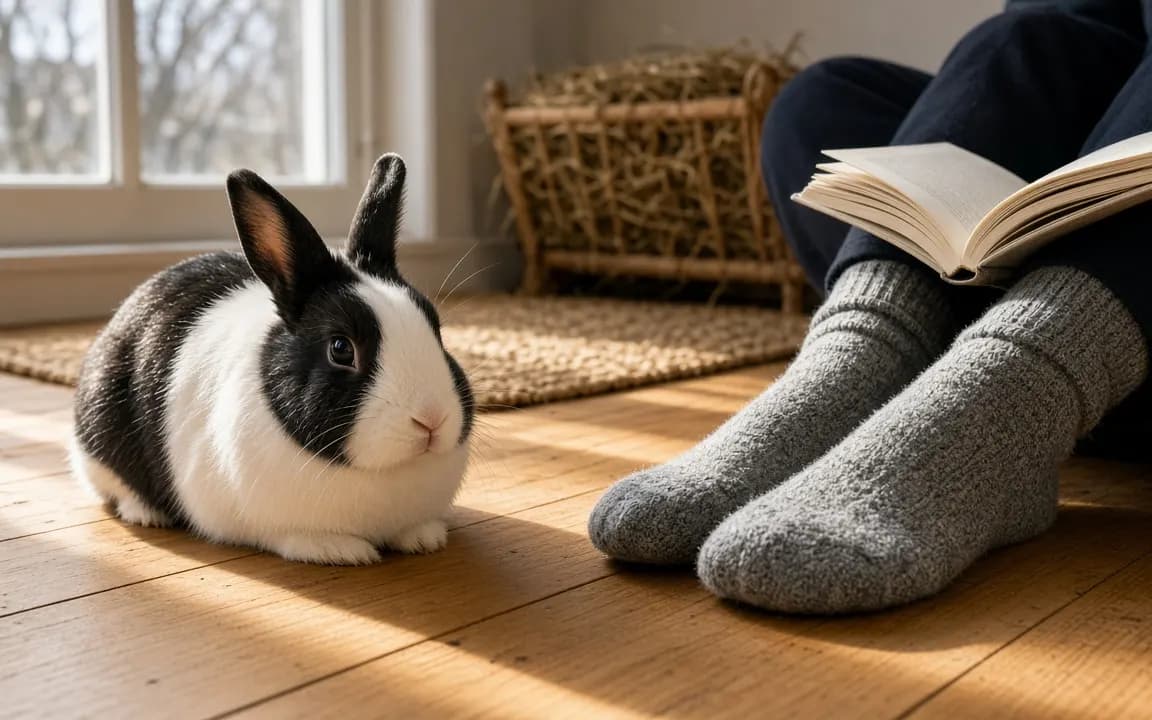
Caring for the surviving rabbit, guinea pig or ferret after their partner dies
How to care for the rabbit, guinea pig or ferret left behind: loneliness vs illness, keeping them eating, and when to look for a new companion.
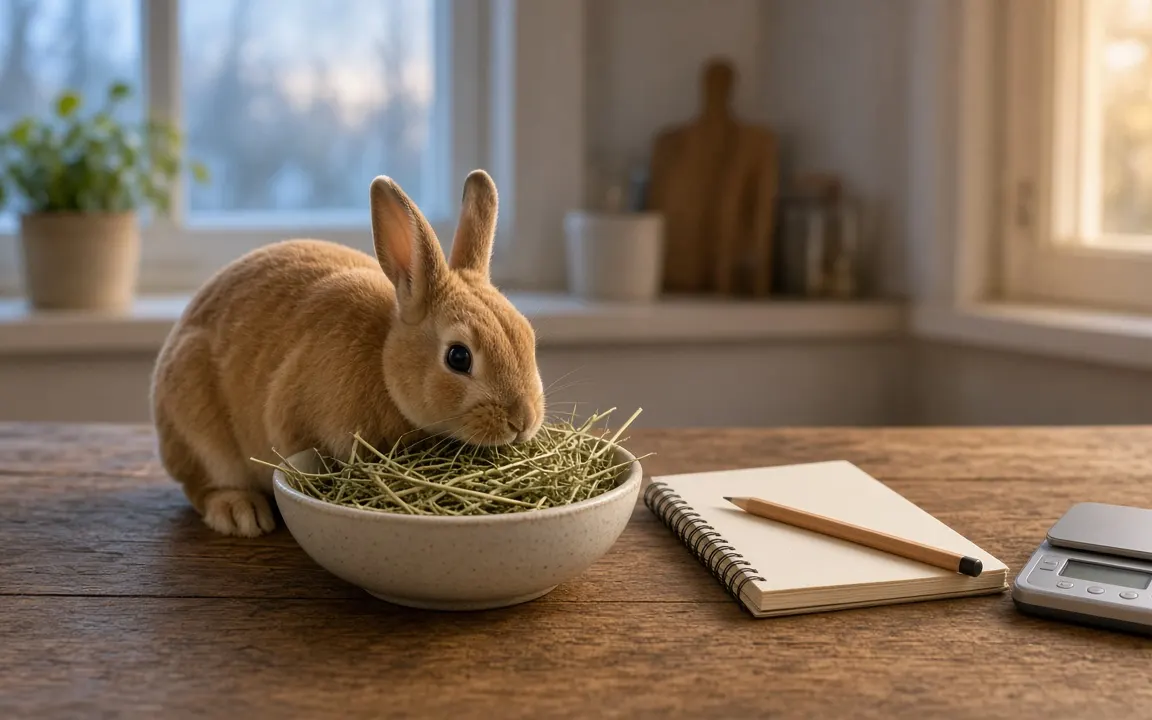
Watching your surviving rabbit for GI stasis after a loss
Grief can stall a rabbit's or guinea pig's gut within hours. What normal droppings look like, a 24-hour check plan, red flags and when to call the vet.

Planning an at-home goodbye for your rabbit, ferret or guinea pig
Planning a calm goodbye at home for a rabbit, guinea pig, ferret or chinchilla: finding a mobile vet, what the visit involves and what happens to the body.
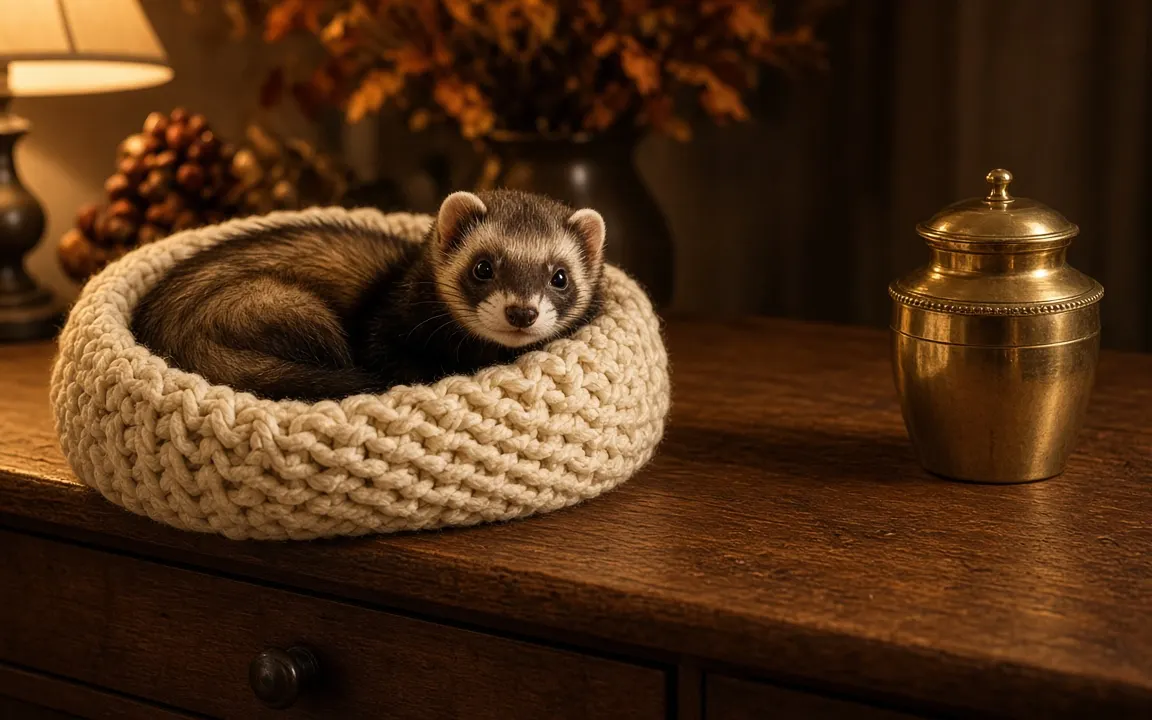
What size urn does a rabbit or guinea pig need?
A rabbit needs about 5 cubic inches of urn space, a guinea pig 2 to 3. How to size, what to check besides volume, materials, prices and urns for pairs.
The partner left behind
How do you look after a surviving bonded rabbit or guinea pig?
Rabbits are usually kept in bonded pairs and guinea pigs in pairs or groups, so a death in the hutch almost always leaves someone behind. The survivor may search, go quiet or stop eating. Our guide to bonded-pair survivor care covers the first days and weeks, extra attention, routine, and when and how people think about a new companion.
The most urgent risk is physical. A rabbit that stops eating or passing droppings can slide into gut stasis quickly, and that's a vet emergency. Our companion guide on watching survivors for GI stasis sets out what normal looks like, a simple check schedule and the red flags that mean you should call a vet now.
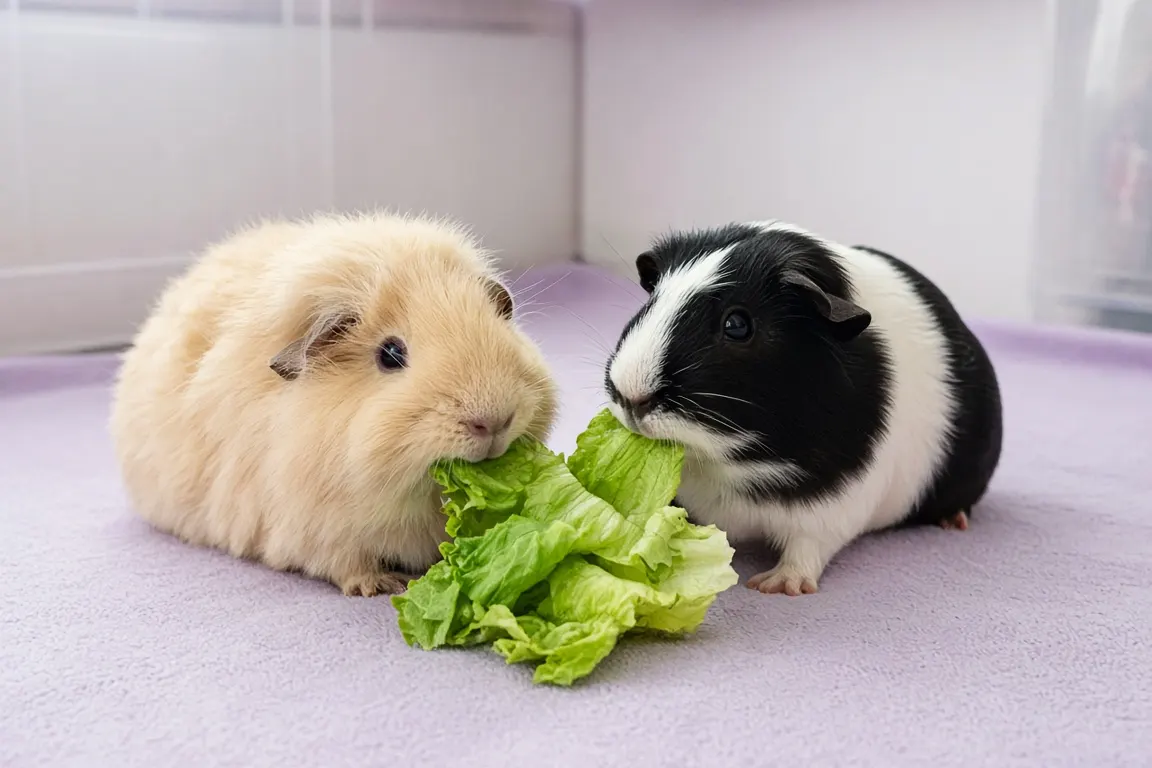
If your pet had a bonded partner, did the survivor get time with their body?
Tap an answer to vote and see how others answered. Anonymous.
Before the end
Can you plan a peaceful goodbye at home?
For prey animals who find car journeys and clinics frightening, a goodbye at home can be much gentler. Some vets who treat small mammals will visit, which lets a bonded partner stay close and lets you take a fur clipping or foot print without hurry. Our guide to at-home goodbye plans explains how to find a vet, what the visit involves and how aftercare is handed over.
Deciding when is often harder than deciding where. Rabbits in England die at a median age of 4.3 years[3], and guinea pigs in the UK at 4.03 years[4], while ferrets live about 6-10 years[5] and chinchillas can reach up to 20 years[6], according to the Merck Veterinary Manual. The pet age calculator shows where your pet is in their life, and our article on quality of life and saying goodbye covers the signs to watch.

Free tool
Pet age & senior years calculator
Convert your pet's age and see when senior-care and planning conversations usually start.
Afterwards
How do you choose an urn for such a small amount of ashes?
Cremated remains weigh roughly 3-5% of body weight[7], so a median pet rabbit returns around 74 g[8] and a guinea pig around 37 g[9] by our estimates. That's keepsake-urn territory. Our urn sizing guide gives capacities by species, explains why the opening matters as much as the volume, and compares materials and prices.
If you'd like to share the ashes between an urn and a few pieces of jewelry, the ashes sharing planner shows how far they'll go.
Beyond the guides
Where can you find answers to other questions?
Our blog covers the wider picture: what cremation involves, costs and written quotes, private versus communal, burial at home, grief, children and memorial ideas. For a quick overview of every option and its price range, see small pet aftercare services.
- Just lost your pet? Start with our home page for the first few hours, then ask us for local options.
- Comparing prices? The cremation cost calculator gives a range for your country and your pet's weight.
- Looking for providers near you? Our locations directory has local pages for towns and cities.
Our standards
How are these guides researched and written?
We're an independent guide and request service; we don't run a crematorium or a clinic. Figures come from published sources such as VetCompass studies of UK vet records (such as this study of pet guinea pigs), government agencies and providers' own price lists, and each carries a footnote. Where we've done our own arithmetic, such as the ash estimates above, it's labelled as our estimate. Our research page lists the sources.
The guides are medical-adjacent but not veterinary advice. Where a situation needs a vet, such as a rabbit that has stopped eating or a sudden death that could be rabbit hemorrhagic disease, which kills 50-100%[10] of infected rabbits, we say so plainly. If you spot something out of date, please tell us.

Reader polls
What would you choose?
Vote anonymously and see how other readers answered. The results are live counts from people who visit this site, so they show real opinions, not a scientific sample.
Which small companion are you thinking about today?
Tap an answer to vote and see how others answered. Anonymous.
If your pet had a bonded partner, did the survivor get time with their body?
Tap an answer to vote and see how others answered. Anonymous.
Where would you prefer your pet's final moments to happen?
Tap an answer to vote and see how others answered. Anonymous.

Free tools to help you plan
Pet age & senior years calculator
Convert your pet's age and see when senior-care and planning conversations usually start.

Urn size calculator
Find the urn volume you need from your pet's weight, plus keepsake and sharing options.

Ashes sharing planner
Split ashes fairly between family members, keepsake urns and jewelry.
Questions people ask
Which guide should I read first if my rabbit has just died?
If you have another rabbit, read the GI stasis guide first, because the survivor's eating is the most time-sensitive thing. Then look at the bonded-pair survivor guide. For the body itself, keep it wrapped and cool; you usually have several hours before any decision about burial or cremation becomes pressing.
Are these guides suitable for hamsters and rats?
Partly. Hamsters, rats, mice and gerbils have a sister site of their own, because their size and lifespans raise different questions. The urn and keepsake advice here still applies broadly, but the bonded-pair and GI stasis guides are specific to rabbits and guinea pigs.
Do you recommend particular vets or crematoria?
No. We don't rank providers or accept payment for recommendations. When you send a request, we reply by email with the options we can find near you and prices where they're published or shared, plus the questions worth asking. The choice is always yours.
Is the medical information here a substitute for a vet?
No. The guides explain what to watch for and when to act, but a vet who treats small mammals should examine any pet that's unwell. Rabbits and guinea pigs hide illness well, so if you're unsure, call. Many exotic vets will give advice by phone on whether a visit is urgent.
How often are the guides updated?
Each guide shows the date it was last reviewed. We revisit figures when sources publish new data, for example updated price guides or new veterinary record studies, and correct anything readers point out. You can suggest a correction or a source through our contact page.


Sources and our estimates
- [1] About 6 million US households keep small animals such as rabbits, guinea pigs and hamsters. American Pet Products Association (APPA) 2025 National Pet Owners Survey release, 2025.
- [2] 37% of US small-animal-owning households have a rabbit, 23% a guinea pig and 18% a hamster. American Pet Products Association (APPA) 2025 National Pet Owners Survey release, 2025.
- [3] Pet rabbits in England have a median age at death of 4.3 years. O'Neill et al. 2020, Veterinary Record - VetCompass rabbits, 2020.
- [4] Pet guinea pigs in the UK have a median age at death of 4.03 years. O'Neill et al. 2024, PLOS ONE - VetCompass guinea pigs, 2024.
- [5] Ferrets live about 6-10 years; males average about 4 lb (2 kg) and females 2.5 lb (1.2 kg). Merck Veterinary Manual - Table: Ferrets at a Glance.
- [6] Chinchillas are long-lived rodents, with a lifespan of up to 20 years. Merck Veterinary Manual - Chinchillas (Exotic and Laboratory Animals).
- [7] Embrace notes cremated remains typically weigh about 3-5% of the pet's original body weight. Embrace Pet Insurance - Bury or Cremate Your Dog? Costs, Pros & Cons, 2025.
- [8] A median-weight adult pet rabbit (2.1 kg) would be expected to return about 74 g (2.6 oz) of cremated remains. Our estimate: 2,100 g x 3.5%. How we calculate.
- [9] A median-weight pet guinea pig (1.05 kg) would be expected to return about 37 g (1.3 oz) of cremated remains. Our estimate: 1,050 g x 3.5%. How we calculate.
- [10] Rabbit hemorrhagic disease (RHDV2) kills 50-100% of infected rabbits; the first U.S. detection was in a pet rabbit in Ohio in 2018. USDA APHIS - Rabbit Hemorrhagic Disease, 2018.
Get aftercare options for your small pet
Tell us what you need and where you are. We'll reply by email with clear options and prices so you can decide in your own time.