Cremation for rabbits, ferrets and chinchillas in Norfolk
Rabbits, guinea pigs, ferrets, chinchillas and hedgehogs all need gentle, careful handling at the end. Here's how that works in and around Norfolk.
- Keepsakes planned before cremation
- Drop-off or home collection
- Ashes sized for a small urn
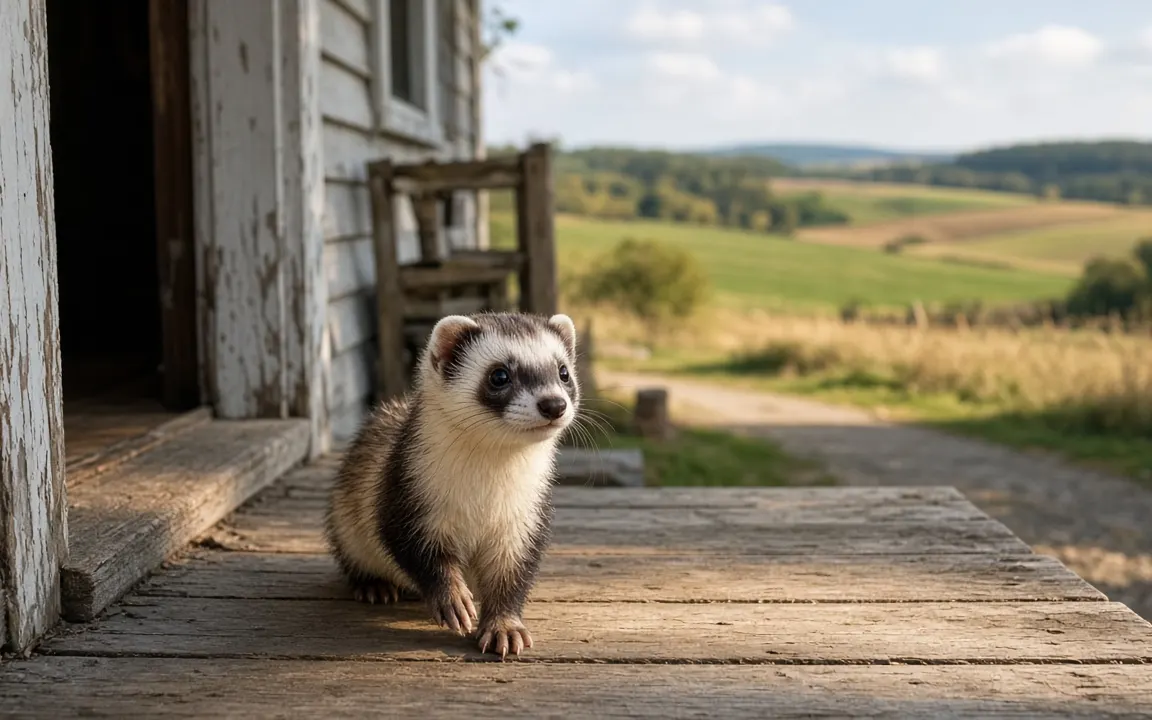
Norfolk, Nebraska
What families in Norfolk usually arrange
Norfolk is the regional hub of northeast Nebraska, a Madison County city along the North Fork of the Elkhorn River, with established blocks near downtown and new housing spreading north and west. Because providers here often serve a large rural area, ask whether they'll come to the house, how far out they travel, and how many days it takes before the ashes come back to you.
Norfolk is the eastern starting point of the Cowboy Trail, the long rail-trail that heads west across northern Nebraska, and the riverside parks along the Elkhorn are popular with local owners and their companions. Leaving ashes on public ground needs permission. A flat rock under the backyard spruce, or a small box on the dresser, keeps a pet close with no paperwork at all.
Wild rabbits are rarely far away in and around Norfolk, and neither are predators. That affects both health and burial. A pet rabbit that dies suddenly may have picked up a virus from wild rabbits through grass, hay or insects, and a buried body can be dug up by foxes within days. Talk to your vet before burying if the death was unexplained, and bury deep either way.
Norfolk's population is around 26,677, the 7th-largest of the 11 Nebraska communities we cover.
Our pages for Columbus (41 miles), Yankton (60 miles) and Sioux City (62 miles, a larger centre) describe the same choices from those towns' point of view, and the providers overlap, so a quote from one often covers Norfolk as well.
62.2%[1]
The NFDA projected Nebraska's cremation rate at 62.2% for 2024.
6 million[2]
About 6 million US households keep small animals such as rabbits, guinea pigs and hamsters.
4.3 years[3]
Pet rabbits in England have a median age at death of 4.3 years.
3-5% of body weight[4]
Embrace notes cremated remains typically weigh about 3-5% of the pet's original body weight.
Where these figures come from: American Pet Products Association (APPA) 2025 National Pet Owners Survey release and O'Neill et al. 2020, Veterinary Record.
Cremation habits in Nebraska and your small pet
In Nebraska, about 62.2%[1] of people are cremated. Pet crematoria are established around most larger towns, and they take rabbits, ferrets and chinchillas as a matter of routine. If you're torn between a garden grave and cremation, one simple test helps: will you still live here in five years, and does it matter to you that your pet comes along if you don't?
NFDA 2024 Cremation & Burial Report state projections (via Occasional Sage) (2024) is where the Nebraska figure comes from. It counts people; we use it because attitudes to cremating a pet in Norfolk tend to follow attitudes to cremation generally.
Timing a small pet's aftercare around Norfolk's seasons
Outdoor hutches are the thing to watch in a cold Norfolk winter. Rabbits cope with cold better than heat, but wet, drafty hutches and old age are a hard combination, and guinea pigs feel the cold far more. If a pet dies outdoors in January, bring the body inside to a cool room, make sure the bonded partner is warm and eating, and think about moving the survivor indoors for a while.
Norfolk winters bring average lows at or below freezing in January, February, March, November and December, and that changes the options for a small pet. A rabbit or guinea pig that dies in winter can wait longer before burial or collection, kept in a cold garage or shed in a sealed box. But frozen ground may make a grave of proper depth impossible, and a shallow one invites scavengers who are hungry at that time of year.
How much Norfolk families usually pay
If you'd rather bury than cremate but don't have a yard, a pet cemetery is the other route. One pet insurer's published US prices for a plot for pets under 30 lb start at about $400 to $600[5], several times the cost of a private cremation. For most Norfolk small-pet owners, the realistic choice is between a garden grave, which costs almost nothing, a communal cremation and a private one.
Prices for Norfolk track the wider Nebraska market, so use the Nebraska price table as your baseline and the services page to see what is included.

Free tool
Cremation cost calculator
Estimate a realistic price range for your pet's size, location and the type of cremation.
Burial, ashes and paperwork in Nebraska
Cremation needs no permit anywhere in Nebraska; the rules that matter for small pets are about burial. A rabbit or guinea pig is easy to bury at home, so it's worth knowing the local limits first: whether you need to own the land, how far to stay from water, and whether a pet that was put to sleep needs a deeper grave.
The official Nebraska local government directory lists every county and city office, which is the quickest way to find who to ask in Norfolk.
Start with the Nebraska rules, which cover burial, scattering and oversight for the whole state, and treat Norfolk's local ordinances as a possible extra layer.
Your first few hours, in order
- Book the appointment for a calm time of day, ideally with a vet who sees rabbits, guinea pigs or ferrets. Ask whether a home visit is possible.
- Decide on aftercare beforehand. That way you either leave your pet with the vet without having to think, or you arrive with a box already lined and carry them home.
- Bring the bonded companion if it's practical, or plan for them to see the body when you get home.
- Ask for a paw or foot print while you're there. Plenty of practices are happy to do this.
- Confirm private or communal in writing, and ask when the ashes will be ready to collect.
- If you plan a garden burial after euthanasia, go deep and cover the spot with a paving slab. The euthanasia drug remains in your pet's body and could harm any wildlife that digs there.
Ways Norfolk families remember rabbits and guinea pigs
Norfolk sees warm summers that top out around 86F in July, and cold winters, when January lows average about 12F and the ground stays frozen from December into March. Burying a pet in the yard during that stretch isn't realistic, so cremation is a common first choice. On a summer day, a cool basement floor and a towel with some frozen packs should keep your pet's body stable for a day.
the guides answer the longer questions and the blog the newer ones, run the numbers with the free planning tools, or see how other readers answered in our polls, Compare every option on our services page. If you live between Norfolk and Bellevue, Grand Island, Omaha and Kearney, either page applies. Every other community in Nebraska, and all of the United States, is listed too.

Reader polls
What would you choose?
Vote anonymously and see how other readers answered. The results are live counts from people who visit this site, so they show real opinions, not a scientific sample.
Was this (or will it be) your child's first experience of a pet dying?
Tap an answer to vote and see how others answered. Anonymous.
What would you most want to keep from your rabbit, guinea pig or ferret?
Tap an answer to vote and see how others answered. Anonymous.
If you had to decide today, which aftercare would you choose for your pet?
Tap an answer to vote and see how others answered. Anonymous.

Free tools to help you plan
Cremation cost calculator
Estimate a realistic price range for your pet's size, location and the type of cremation.

Ashes weight estimator
See roughly how much ash to expect back, by species and body weight.

Aftercare options compared
Compare private, communal and water cremation with burial on cost, timing and what comes home.
Questions people ask
Which nearby towns can I compare with Norfolk?
The closest communities we cover are Columbus (about 41 miles), Yankton (about 60 miles) and Sioux City (about 62 miles). Providers based in those places often serve Norfolk too. Ask each one for a written total that includes collection, so the distance is priced in.
How do Nebraska attitudes to cremation compare?
NFDA 2024 Cremation & Burial Report state projections (via Occasional Sage) (2024) puts the Nebraska human cremation rate at about 62.2%[1]. We show it on the Norfolk page because pet aftercare choices tend to track it: where cremation is normal for people, communal and private pet cremation are both easy to find.
Does the Norfolk climate change what I should do first?
Only the timing. In July, with highs near 86°F, cool the body and book collection the same day. In January, February, March, November and December, when lows sit below freezing, a home burial may have to wait for a thaw, so cremation with ashes returned keeps your options open.
Can two bonded rabbits be cremated together in Norfolk?
Yes, if you ask for a joint cremation. Their ashes are mixed and returned in one container, which many families find comforting. If one partner dies first, you can keep those ashes and ask later for them to be combined or buried together. Put the request in writing, because the default is to keep every pet separate.
Can I drop my rabbit off at the crematorium myself?
Usually, yes, and for a small pet it's often the simplest option. Call ahead so they expect you, bring your pet wrapped in a towel in a sturdy box, and keep the car cool. Dropping off yourself often avoids a collection fee and lets you see where your pet will be cared for. Some crematoria near Norfolk will even let you wait.
My hedgehog is cold and still. Could it be hibernating?
It could. African pygmy hedgehogs kept below a comfortable room temperature can attempt hibernation, which can look alarmingly final: a chilly, floppy animal whose breaths are hard to see. Hold your hedgehog close under your shirt or wrapped in a warm fleece for half an hour, and call a vet. Hamsters can do something similar in a cold room. If there's no response after warming and a vet confirms death, aftercare can wait until you're ready.


Sources and our estimates
- [1] The NFDA projected Nebraska's cremation rate at 62.2% for 2024. NFDA 2024 Cremation & Burial Report state projections (via Occasional Sage), 2024.
- [2] About 6 million US households keep small animals such as rabbits, guinea pigs and hamsters. American Pet Products Association (APPA) 2025 National Pet Owners Survey release, 2025.
- [3] Pet rabbits in England have a median age at death of 4.3 years. O'Neill et al. 2020, Veterinary Record - VetCompass rabbits, 2020.
- [4] Embrace notes cremated remains typically weigh about 3-5% of the pet's original body weight. Embrace Pet Insurance - Bury or Cremate Your Dog? Costs, Pros & Cons, 2025.
- [5] Embrace lists US pet cemetery burial at $400-$600 for pets under 30 lb up to $800-$1,500+ for pets over 100 lb. Embrace Pet Insurance - Bury or Cremate Your Dog? Costs, Pros & Cons, 2025.
- [6] A median-weight adult pet rabbit (2.1 kg) would be expected to return about 74 g (2.6 oz) of cremated remains. Our estimate: 2,100 g x 3.5%. How we calculate.
Tell us about your rabbit or guinea pig
Tell us what you need and where you are. We'll reply by email with clear options and prices so you can decide in your own time.