Does my bonded rabbit need to see their partner's body?
Most rabbit rescues and experienced keepers suggest giving the survivor an hour or two with the body. It isn't essential, and there are a few situations where it isn't safe.
By the Small Mammal Cremation Services editorial team · Updated September 24, 2026 · 6 min read · Sources
- How to set up a calm, short visit
- Which reactions are normal
- When to skip it, and what to do instead
The short answer
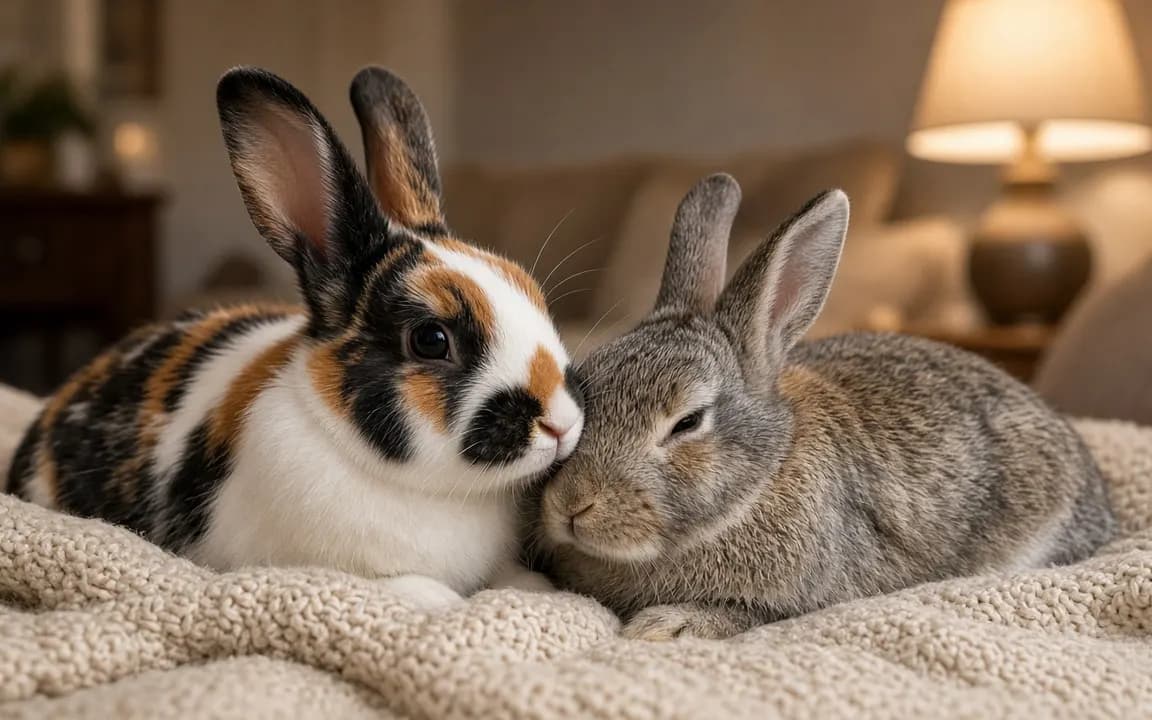
Should the surviving rabbit see the body?
If it's safe, yes, most keepers recommend it. Letting a surviving rabbit or guinea pig spend 30 minutes to a couple of hours with their partner's body seems to help many of them accept the loss, and they tend to search and call less afterwards. It isn't essential, though, and a survivor who never got that time usually adjusts with extra care.
It's worth being honest about the evidence. There are no controlled studies on this; the advice comes from decades of rescue and owner experience. What people consistently describe is a rabbit that sniffs, nudges or lies with their partner, then walks away and eats, compared with rabbits that spend days hunting through the house for a friend who simply vanished.
Rabbits are the most common small pet, at 37%[1] of US households that keep small animals, and many of them live in pairs. So this is one of the most common questions keepers face on the first morning after a death.
If your pet had a bonded partner, did the survivor get time with their body?
Tap an answer to vote and see how others answered. Anonymous.
Step by step
How to set up the visit
- Choose a familiar, calm place. Their shared enclosure or the corner of the room where they usually lounged works well. Avoid a busy kitchen or a spot near the dog's bed.
- Lay the body naturally. Place your pet on a towel or their favorite fleece, lying on their side or loafed as if resting. Close the eyes if you can.
- Let the survivor come to them. Put the survivor nearby rather than on top of the body, and let them approach in their own time.
- Stay close but quiet. Sit nearby with a cup of tea. You don't need to intervene unless the survivor becomes frantic.
- Finish when they've finished. When the survivor walks away and starts eating or grooming, the visit has done its job. Wash your hands afterwards.
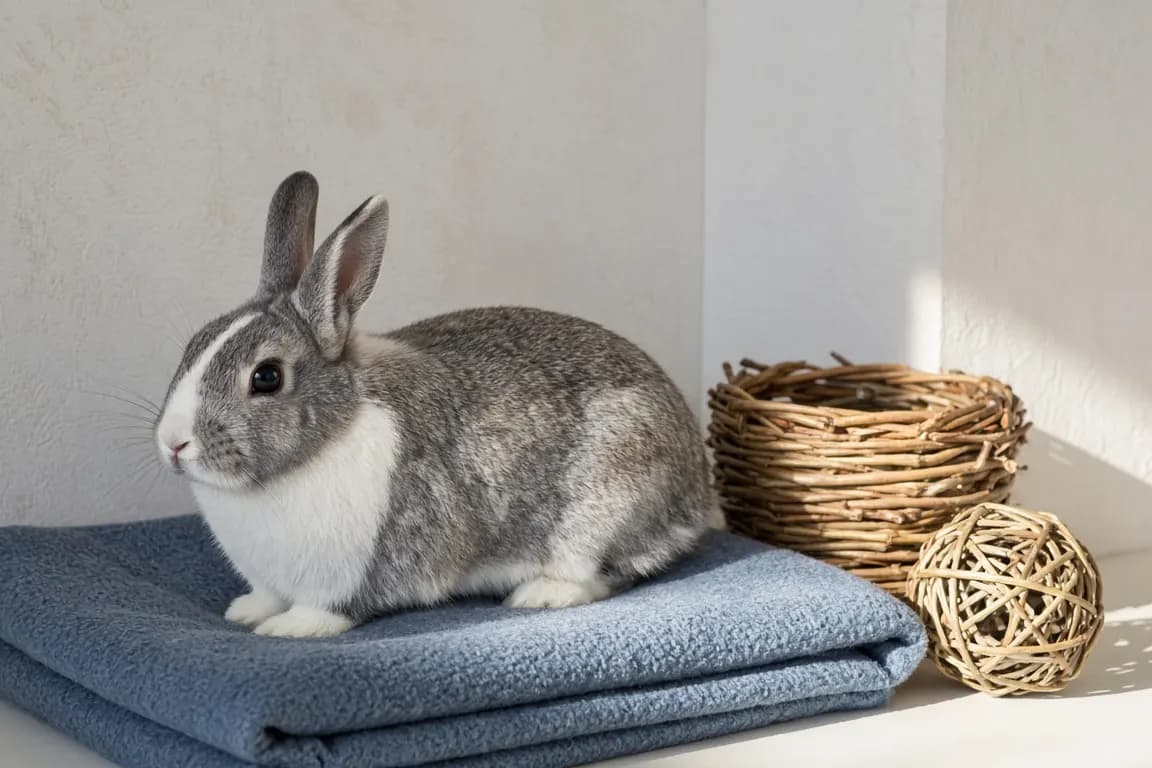
In a warm room, keep the visit to a couple of hours at most. After that, move the body somewhere cool so it keeps well until cremation or burial. The at-home goodbye guide explains how to wrap and store a small body in the meantime.
What you might see
What reactions are normal?
Survivors react in every possible way, and almost all of them are normal. You might see any of these, sometimes several in a row:
- Sniffing and nudging. Often the first thing: a careful investigation, sometimes with firm nose-bumps as if asking their partner to move.
- Grooming. Licking the partner's head and ears, just as they did in life. Many owners find this the hardest part to watch and the most comforting afterwards.
- Lying beside them. Some rabbits settle down pressed against the body for a long time, even falling asleep.
- Jumping on or digging at them. Startling, but usually an attempt to get a reaction, not aggression.
- Ignoring them. A quick sniff and a hop away. This doesn't mean the survivor didn't care; some animals seem to understand almost instantly.
- Thumping or circling. Signs of unease. Give them space and let them choose whether to return.
Guinea pigs often behave as a group, with the whole herd gathering to sniff, then drifting back to their hay. Ferrets may try to drag or tuck their friend into a sleeping spot, which is a normal ferret thing to do with things they value.
The survivor doesn't need you to explain anything. They need a quiet room and the chance to find out for themselves.
Safety first
When you shouldn't let the survivor near the body
There are real reasons to skip the visit. The most important for rabbit owners is rabbit hemorrhagic disease. RHDV2 kills 50-100%[2] of infected rabbits, and, as Wyoming's wildlife agency explains, it spreads through contact with sick rabbits and carcasses. The virus is also known for long environmental survival[3], lasting on bedding, hutches and clothes.
- The body has been dead for many hours in heat. Decomposition starts quickly in small animals; a visit then is more distressing than helpful, for both of you.
- There was flystrike. If maggots were involved, keep the survivor well away and clean the enclosure.
- The survivor is unwell. A rabbit in GI stasis needs a vet, not a vigil. See our GI stasis watch guide.
- The pair had fallen out. If they'd been fighting recently, the survivor may be indifferent or agitated; a short look is plenty.
Euthanasia
If your rabbit is being put to sleep at the clinic
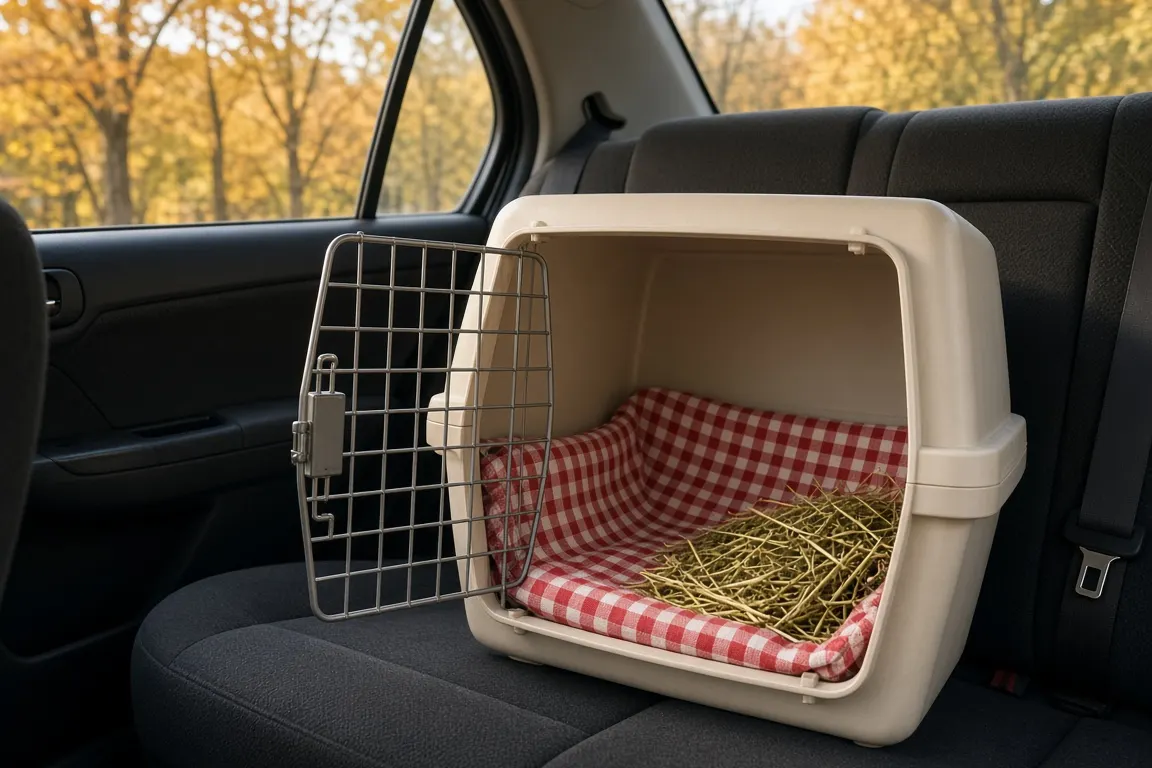
Planned euthanasia gives you more options than a sudden death, if you plan for it. Ask the clinic whether you can bring the survivor along in the same carrier. Many exotics vets are happy for the partner to be present, or to see the body straight afterwards in the consulting room.
If that isn't possible, ask to take the body home for a few hours before it goes for cremation. Most clinics can arrange this; they'll usually wrap your pet in a blanket or place them in a small box. You can then bring the body back, or arrange aftercare directly. In one US survey of owners' end-of-life expectations, the most common owner wish was for a pet to stay at the hospital less than 24 hours after death (26.1% want <24h[5]), so taking your pet home for a short time is well within what families expect.
Having the vet come to your home makes all of this easier: the survivor can stay in their own space throughout. Our guide to coordinating end-of-life care with your vet covers how to request it, and the quality of life and saying goodbye post helps with timing.
If the moment has passed
What if it's too late for the survivor to see the body?
Perhaps the vet already sent your pet for cremation, or the death happened while you were away. Please don't carry guilt about it. Survivors who didn't see the body do usually settle; they may just search for longer.
- Leave an unwashed blanket or hide the pair shared in the enclosure for a week or so, unless infection was involved.
- Keep routines rigid and add extra floor time and hand-feeding.
- Watch appetite and droppings closely for the first ten days.
- Start thinking about a new companion once the survivor is well; see the bonded pair survivor care guide.
Some people also bring the ashes near the survivor once they come home. There's no evidence a rabbit recognizes cremated remains, but it does no harm, and it may matter to you. By our estimate a median rabbit's ashes weigh only about 74 g[6], so a small keepsake box fits easily on a shelf beside the enclosure.
Afterwards
Arranging aftercare once the visit is over
When the survivor has had their time, the next decision is burial or cremation. If you're weighing them up, the aftercare options comparison lays out the practical differences, and our private vs communal cremation explainer covers which option returns ashes.

Free tool
Aftercare options compared
Compare private, communal and water cremation with burial on cost, timing and what comes home.
If you'd like help, send us a few details about your pet and where you are, and we'll reply by email with options near you.

Reader polls
What would you choose?
Vote anonymously and see how other readers answered. The results are live counts from people who visit this site, so they show real opinions, not a scientific sample.
If your pet had a bonded partner, did the survivor get time with their body?
Tap an answer to vote and see how others answered. Anonymous.
Where would you prefer your pet's final moments to happen?
Tap an answer to vote and see how others answered. Anonymous.
What helped you most in the first weeks?
Tap an answer to vote and see how others answered. Anonymous.


Questions people ask
How long should a rabbit stay with its dead partner?
Usually 30 minutes to two hours is enough. Let the survivor decide: once they walk away, eat or start grooming themselves, they've generally done what they need to. In a warm room, don't go much beyond a couple of hours, and never leave the body in the enclosure overnight.
Do rabbits understand death?
No one knows exactly what a rabbit understands. What keepers see is that survivors who investigate the body often settle faster than those whose partner disappeared without explanation. Whether that's understanding or simply scent and closure, the practical effect seems real for many rabbits.
Should guinea pigs see a cage mate that died?
Many guinea pig keepers let the rest of the group sniff the body briefly. Guinea pigs tend to investigate as a herd and then return to eating. The same safety rules apply: skip it if infection is suspected or the body has been left in heat, and keep an eye on appetite afterwards.
Is it safe for my rabbit to see a partner who died of RHDV2?
No. Rabbit hemorrhagic disease spreads through contact with infected rabbits and their bodies, and the virus survives a long time in the environment. If RHDV2 is possible, keep the survivor away, call a vet before moving or burying the body, and ask about vaccinating or monitoring the survivor.
Can I bring my other rabbit to the euthanasia appointment?
Often, yes. Many exotics vets welcome the bonded partner, either during the appointment or straight afterwards. Ask when you book, and bring both rabbits in one familiar carrier if they travel well together. If the clinic can't allow it, ask to take the body home for a few hours.
My rabbit ignored the body. Does that mean they didn't care?
Not at all. Some rabbits give a single sniff and hop off, which seems to be their way of recognizing that their partner has gone. Others take hours. Neither reaction tells you how deep the bond was, so judge how they're coping by appetite, droppings and behavior over the next week.
Keep reading

More from the blog
Honest answers to the questions small pet owners ask after a loss.

Guides for small pet owners
Survivor care, GI stasis and home goodbyes in detail.

Aftercare services
Burial, private, communal and joint cremation for rabbits and guinea pigs.

Ask for local options
Tell us about your pet and we'll email what's available near you.
Sources and our estimates
- [1] 37% of US small-animal-owning households have a rabbit, 23% a guinea pig and 18% a hamster. American Pet Products Association (APPA) 2025 National Pet Owners Survey release, 2025.
- [2] Rabbit hemorrhagic disease (RHDV2) kills 50-100% of infected rabbits; the first U.S. detection was in a pet rabbit in Ohio in 2018. USDA APHIS - Rabbit Hemorrhagic Disease, 2018.
- [3] RHDV2 spreads through contact with infected rabbits, rabbit carcasses and contaminated environments, and the virus resists extreme temperatures and survives for long periods in the environment. Wyoming Game and Fish Department - RHDV2 fact sheet (June 2024), 2024.
- [4] USDA advises rabbit owners not to dispose of a rabbit carcass without first consulting a veterinarian or state or federal animal health officials because of RHDV2. USDA APHIS - Rabbit Hemorrhagic Disease, 2024.
- [5] The most common owner preference (26.1%) was for a deceased pet to stay at the vet hospital less than 24 hours before transport to the crematory or cemetery; a further 18.1% said no more than 1-2 days. Cooney, Kogan, Brooks, Ellis - Pet Owners' Expectations for Pet End-of-Life Support and After-Death Body Care, Topics in Companion Animal Medicine (2020), 2020.
- [6] A median-weight adult pet rabbit (2.1 kg) would be expected to return about 74 g (2.6 oz) of cremated remains. Our estimate: 2,100 g x 3.5%. How we calculate.
Get aftercare options after the goodbye
Tell us what you need and where you are. We'll reply by email with clear options and prices so you can decide in your own time.