Caring for the surviving rabbit, guinea pig or ferret after their partner dies
Pet rabbits in England have a median age at death of just 4.3 years[1], so many bonded pairs are split long before anyone expects it. The weeks after are about keeping the one left behind eating, calm and connected.
By the Small Mammal Cremation Services editorial team · Updated September 24, 2026 · 7 min read · Sources
- Tell sadness apart from sickness
- A daily routine that keeps a survivor eating
- When and how to find a new friend
The short answer
What does a surviving bonded pet need most right now?
A surviving rabbit or guinea pig needs three things in the first weeks: to keep eating and passing droppings, to keep the same daily routine, and more of your company than usual. Most survivors become quieter for a few days and then settle. The ones to worry about are those that stop eating, because in these species a hunger strike turns into a medical problem within hours, not days.
Longer term, most rabbits and all guinea pigs do better with another animal of their own kind. That decision can wait until the survivor is stable and you've had some breathing room. Nothing about finding a new friend has to happen this week.
If you haven't yet decided what happens to your pet who died, there's time. A small body wrapped in a towel will keep in a cool room while you settle the survivor, and the at-home goodbye guide covers how to do that, while what to do when your rabbit dies lists the first steps in order. Many keepers also let the survivor spend a little time with the body before it leaves, which we cover in does my bonded rabbit need to see the body?; the short version is that it rarely hurts and often seems to help.
Reading the signs
Is your pet grieving or getting sick?
Grief in rabbits and guinea pigs is quiet. A survivor may sit in the spot where their partner used to lie, groom less, sleep more or seem to wait by the door of the enclosure. Some become clingy and follow you around; others hide. None of that is dangerous on its own, as long as appetite and droppings stay normal.
| What you notice | Usually grief | Call a vet today |
|---|---|---|
| Appetite | Picky, slower, but still eats hay | Refuses hay and favorite treats |
| Droppings | Normal size and number | Smaller, fewer, dry or none |
| Posture | Lying stretched out, resting | Hunched in a tight ball, reluctant to move |
| Sounds | Quiet | Loud tooth grinding, or a guinea pig squealing when touched |
| Activity | Less play, more sleep | Won't come out, even for food |
Stress hormones slow the gut, so grief and illness can overlap. That's why the survivor needs a closer eye than you'd give a sad dog. Our GI stasis watch guide sets out a morning-to-bedtime check schedule if you want something structured to follow.
The first two weeks
A daily routine that keeps the survivor eating
Rabbits and guinea pigs are creatures of habit, and a routine that stays exactly the same gives a survivor something solid to lean on. Feed greens at the usual times, let them out for floor time at the usual hour and keep the enclosure where it was.
- Weigh them daily. A kitchen scale and a small bowl are enough. Write the number down each morning. A steady drop over several days is often the first sign that a quiet pet isn't eating as much as you thought.
- Pile the hay high. Fresh, fragrant hay topped up twice a day encourages grazing. Tuck a few dried herbs or dandelion leaves into it so the survivor has to forage.
- Hand-feed greens. Sitting on the floor and offering cilantro, romaine or basil leaf by leaf gets many mourners eating and gives them company at the same time.
- Leave some of the old scent. Don't rush to wash every blanket. A familiar hidey house or a fleece the pair shared can be comforting for a week or two, unless infection is suspected.
- Keep water easy. Offer a heavy ceramic bowl as well as a bottle; many animals drink more from a bowl.
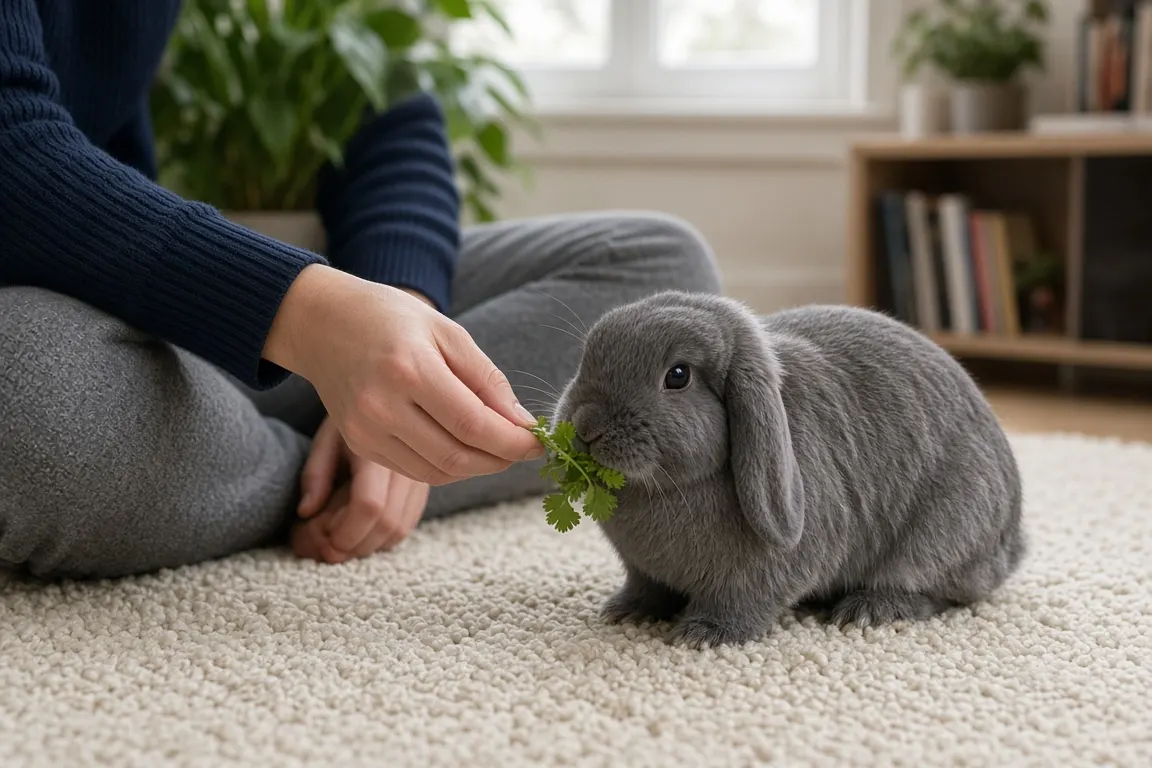
Spend time at their level. Lie on the floor with a book while they potter around, or sit beside the pen in the evening. You can't replace a partner who groomed them for years, but gentle strokes on the forehead and cheeks, where a companion would groom, are welcomed by many rabbits. Guinea pigs often prefer you simply being nearby, talking quietly.
Looking ahead
Should you find your rabbit or guinea pig a new companion?
For most survivors, yes, eventually. Rabbits are social animals that evolved living in groups, and a single rabbit relies heavily on humans for company. Guinea pigs are even more dependent on their own kind; Switzerland's animal welfare rules require them to be kept with at least one other guinea pig. A human can't speak guinea pig.
Timing depends on the survivor and on how the partner died. If there was any chance of infectious disease, wait until your vet is comfortable. Otherwise, many keepers start looking after two to four weeks, once the survivor is eating well and holding their weight. Waiting months can leave a rabbit set in solitary habits, which can make a later introduction harder.
Age matters too. An elderly rabbit with arthritis may do well with a calm older partner from a rescue, while a young survivor might enjoy a livelier friend. Our pet age calculator gives a rough human-years comparison, which helps when you're weighing up how many years the survivor has ahead.

Free tool
Pet age & senior years calculator
Convert your pet's age and see when senior-care and planning conversations usually start.
Some survivors are genuinely happier alone, particularly very old rabbits and rabbits that never bonded well. If yours is eating, relaxed and seeks you out, staying solo with plenty of human time is a reasonable choice. The same goes for your own heart: it's fine to not be ready yet.
How long before you felt ready for another pet?
Tap an answer to vote and see how others answered. Anonymous.
Introductions
How rebonding works: neutral ground and a slow pace
Rabbit introductions go wrong most often when they're rushed or held on one rabbit's home turf. Both rabbits should be spayed or neutered, and the new one should have finished any quarantine a rescue recommends.
- Side by side first. Set up two pens next to each other with a wire divider, so they can smell and see each other for a few days without contact.
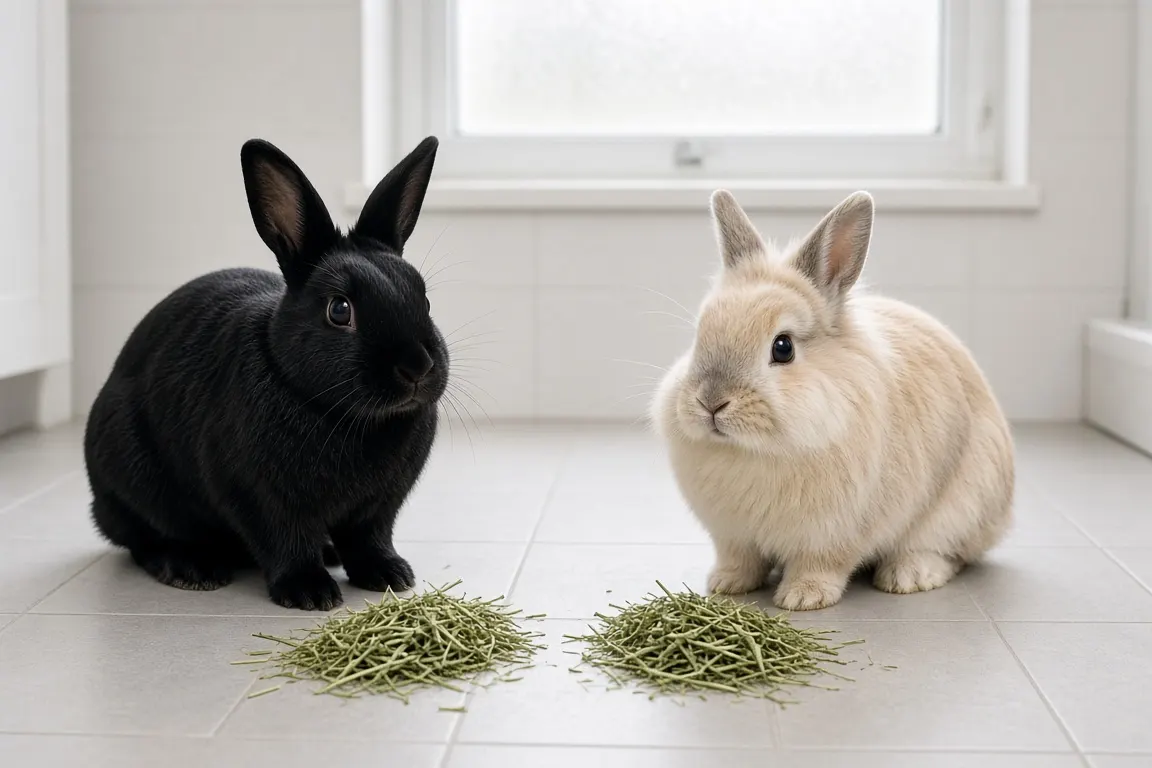
- Neutral territory. Hold the first meetings somewhere neither rabbit has lived, such as a bathroom floor or a hallway, with a couple of piles of hay and no hiding places to defend.
- Short sessions. Start with ten to twenty minutes and stay present. Chasing, mounting and a little fur pulling are normal. Locked-together fighting is not: separate them with a towel or oven glove, never bare hands.
- Build time slowly. Lengthen sessions over days or weeks until they lie together and groom each other. Only then move them into a freshly cleaned shared space.
- Ask for help. Many rabbit rescues offer bonding or "dating" sessions where your survivor meets several candidates. That's often the gentlest route for a nervous rabbit.
Guinea pig introductions are usually quicker, which matters when UK guinea pigs have a median age at death of only 4.03 years[2]: a survivor can't afford to spend a year alone. Sows tend to accept a new sow or a neutered boar; a lone boar often pairs well with a young boar. Meet on neutral ground with plenty of veg scattered around, and expect rumbling, teeth chattering and chasing for the first day. Give the new pair two exits from every hide so nobody feels cornered.
Other species
Ferrets, chinchillas and hedgehogs left behind
Ferrets are playful and often live in pairs or small groups. A ferret who has lost a cage mate may sleep much more than usual, stop "war dancing" or search the house for their friend. Extra play sessions, new tunnels and a few favorite toys hidden around the room help. Ferrets live around 6-10 years[3], according to the Merck Veterinary Manual, so a senior survivor with insulinoma or adrenal disease may need a calmer, gentler routine rather than a new playmate.
Chinchillas can live up to 20 years[4] (Merck's chinchilla chapter calls them long-lived rodents), which means a survivor might have many years alone if you don't find a companion. They bond slowly and can fight hard, so introductions should start with cages side by side for a week or more. African pygmy hedgehogs are naturally solitary and don't need a new friend; a hedgehog that shared space with another rarely grieves the way rabbits do.
Looking after you
Looking after the survivor while you're grieving too
Caring for the one left behind can be both a comfort and a strain. Every morning you see the empty half of the hutch. One market report says around 97%[5] of owners worldwide regard their pets as family members, so it's no surprise the loss can feel heavy. You're far from the only household going through it: by our estimate roughly 290,000[6] pet rabbits and guinea pigs die in the UK each year, and many leave a partner behind. In the RSPCA's survey of bereaved owners, most said they were surprised by how intense their grief was. Our post on grief after losing a small pet talks about that side honestly.
If you have children, the survivor can become part of how they grieve: helping with the daily weigh-in or choosing a new toy gives them something useful to do. See our advice on talking with children about the loss.
Meanwhile, the aftercare for your pet who died doesn't need to wait on you. The aftercare options comparison lays out burial, private and communal cremation side by side, and when you're ready, tell us about your pet and we'll reply by email with options near you.

Reader polls
What would you choose?
Vote anonymously and see how other readers answered. The results are live counts from people who visit this site, so they show real opinions, not a scientific sample.
If your pet had a bonded partner, did the survivor get time with their body?
Tap an answer to vote and see how others answered. Anonymous.
How long before you felt ready for another pet?
Tap an answer to vote and see how others answered. Anonymous.
What was the hardest part of losing your pet?
Tap an answer to vote and see how others answered. Anonymous.

Questions people ask
Can a rabbit die of loneliness after losing its partner?
Loneliness itself doesn't kill a rabbit, but the stress of losing a bonded partner can stop a rabbit eating, and a rabbit that stops eating can develop GI stasis within a day. That's the real danger. Watch appetite and droppings closely for the first week or two, and see an exotics vet the same day if either drops off.
How long do rabbits grieve for a bonded partner?
Most rabbits are noticeably subdued for a few days to two weeks, then gradually return to normal habits. Some keep searching or sitting in their partner's spot for longer. A survivor who is still withdrawn after a month, or who is losing weight, should see a vet and may benefit from a new companion once healthy.
Is it cruel to keep a guinea pig on its own?
Guinea pigs are herd animals, and most welfare organizations advise against keeping one alone for long. A lone guinea pig tends to be more nervous and less active. If your survivor is healthy, finding a same-sex friend or a neutered boar for a sow is usually kinder than waiting indefinitely. Rescues can often help match personalities.
Should I wash the hutch after one rabbit dies?
If the death was from an infectious disease, or the cause is unknown, clean thoroughly and ask your vet which disinfectant to use. If your pet died of old age or a known non-infectious condition, many keepers leave some familiar bedding and hides for a week or two, because the scent seems to comfort the survivor.
How soon can I introduce a new rabbit to the survivor?
Once the survivor is eating normally, holding their weight and has a clean bill of health, usually after two to four weeks. If disease was involved, follow your vet's timeline. Both rabbits should be neutered, and first meetings should be short and on neutral ground rather than in the survivor's enclosure.
Do ferrets grieve when a cage mate dies?
Many ferret owners notice their survivor sleeping more, playing less or searching for the missing ferret. These changes usually ease within a couple of weeks. Keep feeding and play routines steady, add enrichment such as new tunnels, and have a vet check any ferret that stops eating or loses weight, especially an older one.
Keep reading

All small pet guides
Practical guides for rabbit, guinea pig and ferret owners facing a loss.

Aftercare services
Private, communal and joint cremation plus burial options explained.

Planning tools
Calculators for cost, ashes, urn size and more.

Ask us for options
Tell us about your pet and we'll reply by email with what's available near you.
Sources and our estimates
- [1] Pet rabbits in England that died had a median age at death of 4.3 years, with a median adult bodyweight of 2.1 kg. O'Neill DG et al. Morbidity and mortality of domestic rabbits under primary veterinary care in England. Veterinary Record, 2020 (PMID 31594841), 2020.
- [2] From 757 recorded deaths, UK pet guinea pigs had a median age at death of 4.03 years and a median adult bodyweight of 1.05 kg. O'Neill DG et al. Demography, commonly diagnosed disorders and mortality of guinea pigs under primary veterinary care in the UK in 2019. PLoS One, 2024 (PMID 38536813), 2024.
- [3] Ferrets live about 6-10 years; males average about 4 lb (2 kg) and females 2.5 lb (1.2 kg). Merck Veterinary Manual - Table: Ferrets at a Glance.
- [4] Chinchillas are long-lived rodents, with a lifespan of up to 20 years. Merck Veterinary Manual - Chinchillas (Exotic and Laboratory Animals).
- [5] Mordor Intelligence reports that 97% of owners globally regard pets as family members. Mordor Intelligence — Pet Funeral Services Market report page, 2025.
- [6] Roughly 290,000 pet rabbits and guinea pigs may die in the UK each year (~116,000 rabbits, ~174,000 guinea pigs). Our estimate: UK rabbits (500k)/4.3 yrs + UK guinea pigs (700k)/4.03 yrs. How we calculate.
Get aftercare options for the pet you lost
Tell us what you need and where you are. We'll reply by email with clear options and prices so you can decide in your own time.